
Why Concrete Work Demands a Contractor Who Gets the Details Right
Concrete has a reputation for being one of the most durable materials in residential construction, and that reputation is well earned. What that reputation sometimes obscures, however, is how much the long-term performance of any concrete installation depends on the skill and precision of the people who place it. Done right, concrete lasts for decades. Done poorly, it begins showing problems far sooner than anyone expected.
Lasting Results Begin with the Right Concrete Professional
Concrete work looks deceptively straightforward from the outside, but the variables involved in a quality installation are numerous and unforgiving. Homeowners who want results built to last partner with a skilled concrete contractor who understands that every step of the process, from site preparation to final finishing, contributes directly to how the finished surface performs over time.
Site Preparation Determines Everything That Follows
To begin with, the most important work on any concrete project happens before a single cubic yard of material is poured. Proper subgrade preparation, including grading for drainage, compacting the base material, and installing the correct thickness of aggregate, establishes the foundation on which the entire installation depends. Concrete poured over an inadequately prepared base is highly susceptible to settling, cracking, and heaving as the ground beneath it shifts through seasonal moisture and temperature cycles.
Mix Design and Timing Are More Critical Than Most Realize
Furthermore, the concrete mix itself and the conditions under which it is placed have an enormous influence on the strength and durability of the finished product. Water to cement ratios, aggregate selection, and admixture choices all affect how the material cures and how it performs under load and weather exposure over its service life. Pouring in extreme heat without proper precautions accelerates moisture loss and weakens the surface layer.
Finishing Technique Affects Both Appearance and Performance
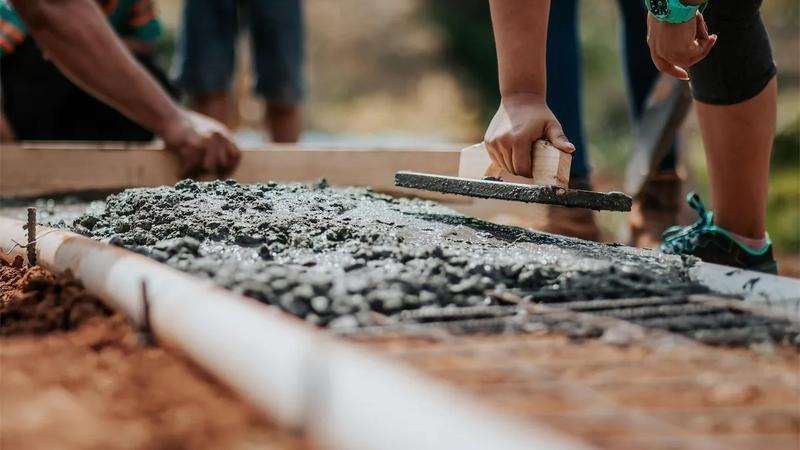
Another dimension of concrete work that separates skilled contractors from less experienced operators is the quality of the finishing process. The timing of floating, troweling, and texturing operations is critical and varies depending on the mix design, the weather conditions, and the intended use of the surface. Over-troweling seals the surface prematurely and traps bleed water that weakens the top layer. Under-finishing leaves a surface that wears unevenly and holds staining more readily.
Control Joints Prevent Cracking Where It Matters Most
Finally, one of the most telling indicators of a contractor’s experience and attention to detail is how they plan and execute control joint placement. Concrete cracks as it cures and as it responds to thermal expansion and contraction throughout its service life. Control joints do not prevent this movement. They direct it into planned locations where it can occur without compromising the visual or structural integrity of the installation.
Conclusion: Lasting Results Begin with the Right Concrete Professional
To wrap it all up, quality concrete work is the product of careful site preparation, informed mix design, skilled finishing technique, and strategic joint placement working together from start to finish. Each element contributes to a finished installation that performs reliably and looks consistently good for decades rather than years. Concrete is one of the most permanent investments a homeowner makes in their property, and it deserves to be handled by a contractor whose knowledge and standards match that permanence.
Recent Comments